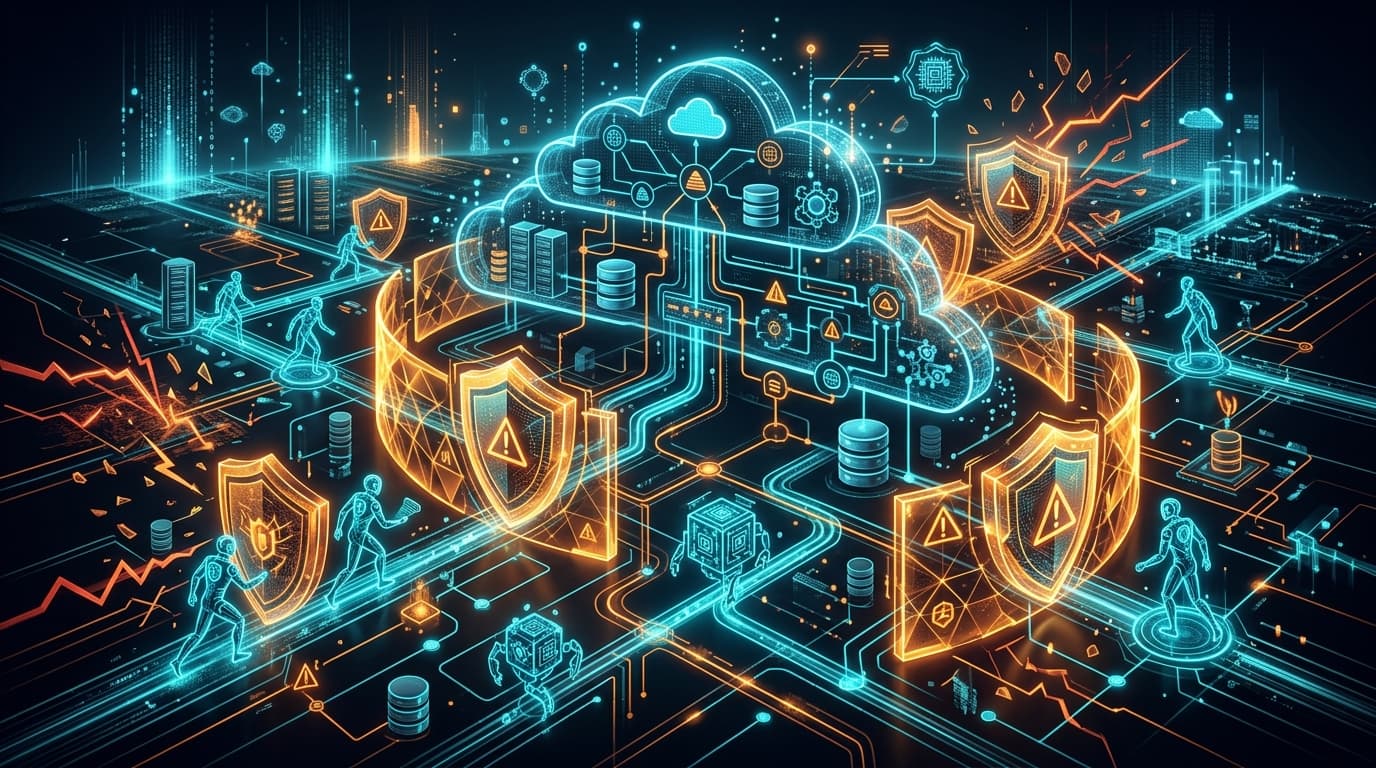

As corporate software shifts from passive chat tools to fully autonomous AI agents capable of executing multi-step workflows, IT departments face unprecedented infrastructure and governance hurdles. The deployment of agentic workflows—which perform database operations, call third-party APIs, and send external communications without continuous human oversight—is testing existing enterprise security perimeters.
Chief Information Officers and cybersecurity officers are racing to build dedicated agent monitoring frameworks before unmanaged agent deployments proliferate across corporate networks.
🤖 The Rise of Autonomous Workplace Agents
Unlike conventional software tools that await explicit user input, agentic systems operate asynchronously across complex tool chains. While this autonomy significantly boosts productivity for software engineering and IT operations teams, it introduces novel failure modes.
Key integration challenges reported by IT directors include:
- Over-Privileged Identity Access: Agents often inherit elevated API permissions, increasing data breach risks if an agent process is compromised.
- Recursive API Loops: Unbounded execution loops can cause cascading API calls, resulting in sudden financial spikes and service rate-limiting.
- Audit Trail Fragmentation: Tracking actions taken autonomously by sub-agents requires continuous distributed logging systems.
[Autonomous Agent Execution Loop]
  Trigger Event ──> Tool Calling (APIs & DBs) ──> Multi-Step Execution ──> Audit Log
                        │                                  │
                        └── (Risk: Over-Privilege) ────────┴──> (Risk: Cost Spikes)
🔒 Implementing Agent-Specific Security Guardrails
To mitigate operational vulnerabilities, enterprise architecture teams are implementing Zero-Trust Agent Frameworks. These safety frameworks enforce granular scope limitations, token rate caps, and mandatory human-in-the-loop approvals for sensitive transactions.
"Managing AI agents is fundamentally different from managing standard SaaS subscriptions. You are managing autonomous digital actors that interact directly with critical infrastructure," explained enterprise security architects.
🔮 Outlook for Enterprise Agent Infrastructure
As autonomous software agents become standard workforce tools, software vendors are expanding enterprise management consoles. The next phase of workplace IT infrastructure will focus heavily on real-time agent observability, automated kill-switches, and unified privilege management to keep autonomous workflows safe and cost-effective.
🔗 Reference
- Original Article: Read the full story on Morning Brew